
Progressive Lenses Adaptation: How to Overcome Common Issues with PALs
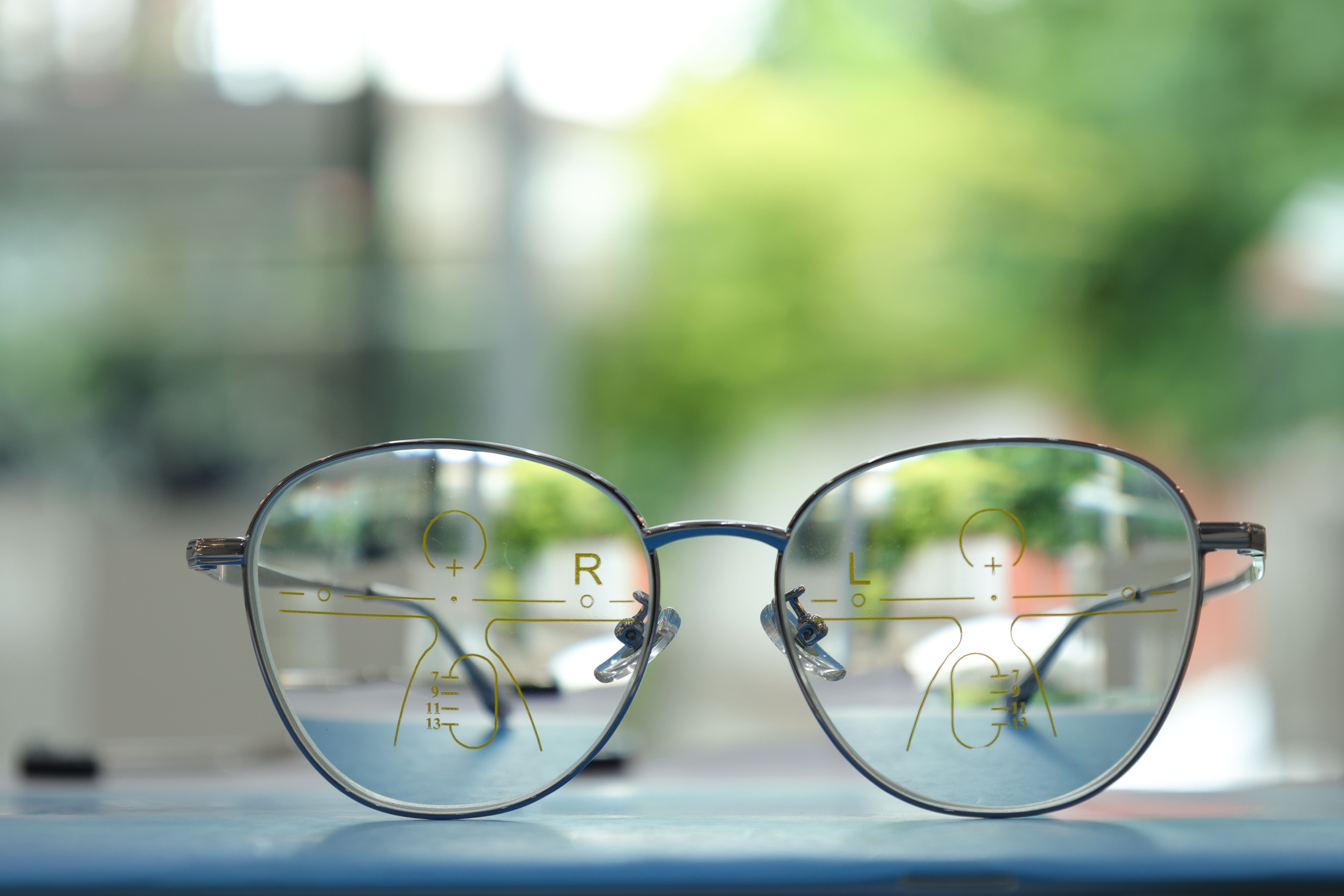
Progressive Lenses Adaptation: How to Overcome Common Issues with PALs
Meta Description: Struggling to adapt to progressive lenses? Discover common progressive lens adaptation problems, tips for smooth adjustment, and how to enjoy clear vision at all distances.
Introduction: Why Progressive Lenses Take Time to Adjust
Progressive Addition Lenses (PALs) are designed to provide clear vision at near, intermediate, and distance ranges without visible lines. While they offer convenience and a modern look, many wearers face progressive lens adaptation issues during the first few days or weeks.
Symptoms like blurry vision, dizziness, headaches, or neck strain are common, but with the right guidance, you can quickly adjust to your new PALs.
Why Adaptation Issues Happen with Progressive Lenses
Understanding the root causes of progressive lens adjustment problems can help you adapt faster.
1. Peripheral Distortion
The sides of PALs can create a “swim” or blurred effect due to the lens gradual power change.
2. Incorrect Fit or Prescription
Even minor misalignments in pupillary distance, lens height, or frame angle can cause discomfort and vision problems.
3. Eye and Brain Adjustment
Your eyes and brain need time to learn how to look through the correct lens zone for near, intermediate, and far distances.
4. Unrealistic Expectations
Expecting instant perfect vision in all zones can make minor distortions feel like a problem.
Common Progressive Lens Adaptation Issues
Here are the most reported problems when adjusting to PALs:
Blurry Peripheral Vision: Distortion at the edges of the lens.
Head and Neck Strain: Tilting or turning your head to focus.
Difficulty Reading or Using Computers: Learning to use the intermediate and near zones.
Dizziness or Motion Sickness: Caused by quick eye movements across different lens powers.
Tips to Adapt Quickly to Progressive Lenses
Here’s how to overcome progressive lens adaptation problems efficiently:
1. Wear Your PALs All Day
Consistent use accelerates eye and brain adjustment. Avoid switching between old glasses and PALs.
2. Move Your Head, Not Just Your Eyes
Look through the correct part of the lens by adjusting your head position. This reduces neck strain and visual distortion.
3. Start with Low-Stress Activities
Begin with reading, walking, or watching TV at home before driving or performing detailed tasks.
4. Ensure Proper Lens Fitting
Visit your optician to confirm lens height, pupillary distance, and frame alignment. A professional adjustment can solve persistent discomfort.
5. Be Patient
Most people adapt to PALs within 1–3 weeks, though some may take longer. Gradual practice ensures a smooth transition.
When to Seek Professional Help
If discomfort continues beyond a few weeks, consult your optician. Persistent issues may indicate:
Incorrect prescription
Poor lens fit
The need for premium or occupational PALs designed for your lifestyle
Professional assessment ensures maximum comfort and clear vision.
Conclusion: Enjoy Seamless Vision with PALs
Adapting to progressive lenses can feel challenging at first, but understanding common adaptation issues and following these tips can make the process easier. With consistent use, proper fitting, and patience, you can enjoy clear, comfortable vision at all distances without headaches or dizziness.
Start your PALs journey confidently and say goodbye to multiple pairs of glasses! Call us at 281-778-2020. We are located next to HEB right here in Sienna. Eye Connection has been your local Optometrist in Missouri City for over 15 years.
Helpful Articles
article_category: products
article_category: psychiatry
article_category: faqs
article_category: cats
article_category: general
article_category: services
article_category: technology
article_category: dogs
article_category: restorative
article_category: vision therapy
article_category: contact lenses
article_category: health
article_category: conditions
article_category: eye surgery co-management
article_category: exotic
article_category: cosmetic
article_category: surgical procedures
article_category: aesthetics
article_category: preventative
article_category: ocular disease management
article_category: eyeglasses
article_category: eye health
article_category: large animal
[]
article_category: psychiatry
article_category: faqs
article_category: cats
article_category: general
article_category: services
article_category: technology
article_category: dogs
article_category: restorative
article_category: vision therapy
article_category: contact lenses
article_category: health
article_category: conditions
article_category: eye surgery co-management
article_category: exotic
article_category: cosmetic
article_category: surgical procedures
article_category: aesthetics
article_category: preventative
article_category: ocular disease management
article_category: eyeglasses
article_category: eye health
article_category: large animal
[]
Flowbite is an open-source library of interactive components built on top of Tailwind CSS including buttons, dropdowns, modals, navbars, and more.
Check out this guide to learn how to get started and start developing websites even faster with components on top of Tailwind CSS.

All Eye Care Services
Find personalized eye care excellence with our comprehensive services. From eye exams to advanced diagnostics, trust us for all your vision needs.
Keep In Touch
For non-urgent questions or to learn more about our services, contact us today!
© 2026 Eye Connection. All rights Reserved - Accessibility Statement - Privacy Policy - Sitemap
Managed and Designed by 