
Proper Contact Lens Care: Everything You Need to Know for Healthy Eyes
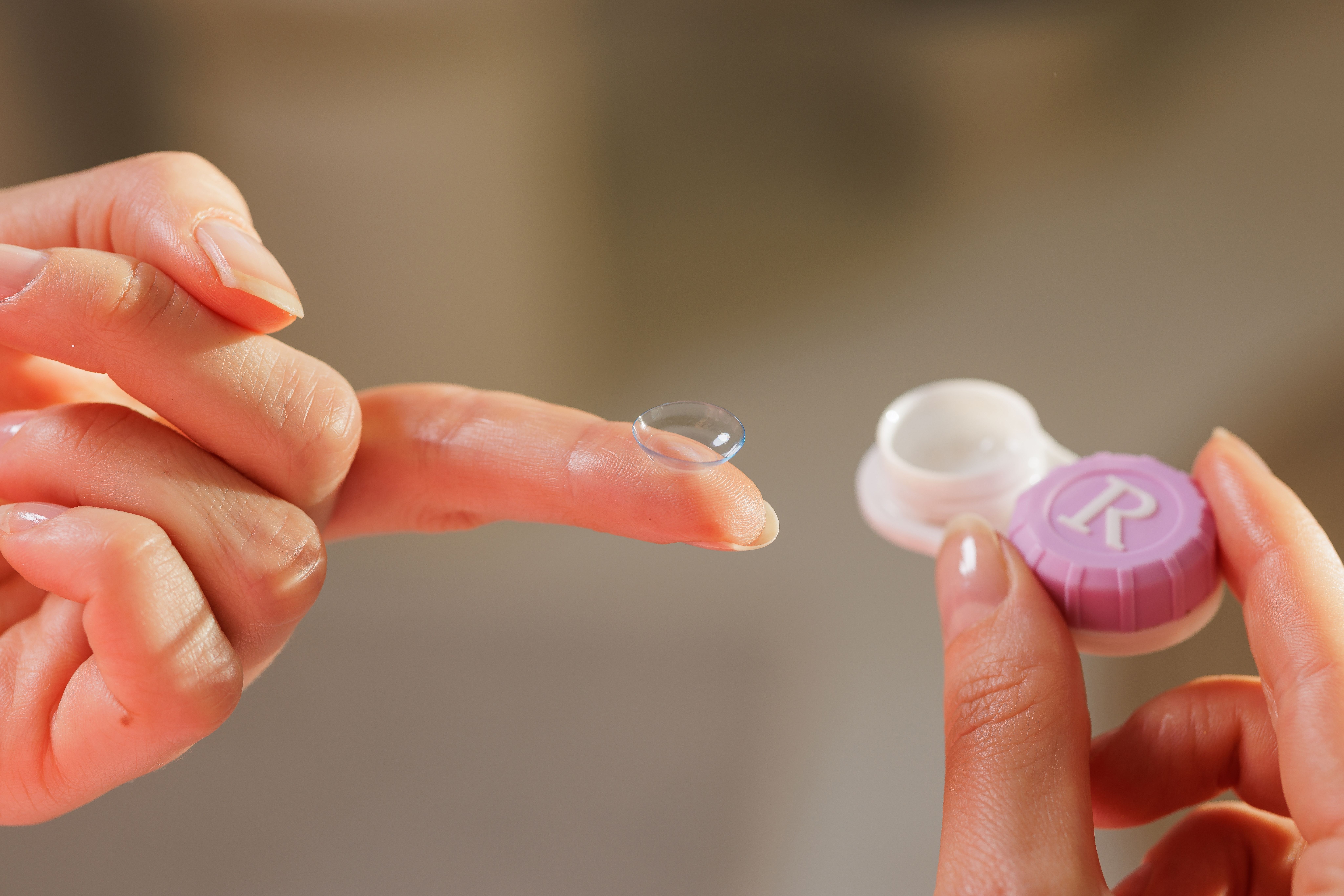
Contact Lens Care: A Complete Guide to Healthy Eyes and Clear Vision
Proper contact lens care is essential for protecting your vision and maintaining long-term eye health. Without the right hygiene and handling practices, contact lenses can increase the risk of eye infections, irritation, and discomfort. Understanding your contact lens type and following best care practices helps ensure safe, comfortable, and clear vision every day.
This guide explores the different types of contact lenses, their care requirements, and essential tips for cleaning, handling, and storing your lenses correctly.
Understanding Your Contact Lenses
Choosing the right contact lenses plays a critical role in eye health and visual clarity. Today’s contact lenses are designed to suit different vision needs, eye conditions, and lifestyles.
Contact Lens Materials and Types
Contact lenses are made from various materials, each offering unique benefits:
- Hydrogel contact lenses contain a high water content, providing immediate comfort and flexibility.
- Silicone hydrogel lenses allow significantly more oxygen to reach the cornea, making them ideal for longer wear times.
- Rigid gas permeable (RGP) lenses are durable and provide sharp, precise vision, especially for certain eye conditions.
Understanding your lens material helps determine proper wear time, comfort level, and maintenance needs.
Daily Wear vs. Extended Wear Contact Lenses
- Daily disposable contact lenses are worn once and discarded, making them a hygienic and convenient option. They are ideal for busy individuals, allergy sufferers, or those seeking low-maintenance eye care.
- Extended-wear contact lenses, usually made from silicone hydrogel, are designed for continuous wear, including overnight use. These lenses require professional guidance and strict hygiene practices to minimize infection risks.
Specialized Contact Lens Options
Contact lenses offer solutions for nearly every vision condition and cosmetic preference:
- Bifocal and multifocal lenses for astigmatism correct presbyopia and astigmatism, helping individuals remain glasses-free after age 40.
- Contact lenses for dry eyes are designed to retain moisture and reduce irritation.
- Colored contact lenses enhance or change natural eye color for cosmetic purposes.
- Prosthetic contact lenses mask eye disfigurements by matching the appearance of the unaffected eye.
- Custom contact lenses are tailored to unique eye shapes and vision needs.
- UV-inhibiting contact lenses help protect eyes from harmful ultraviolet rays.
- Scleral lenses treat keratoconus, corneal irregularities, and severe dry eye.
- Myopia control lenses help slow the progression of nearsightedness in children.
How to Choose the Right Contact Lenses
When selecting contact lenses, consider the following factors:
- Oxygen permeability for longer and healthier wear
- Vision correction needs, including high prescriptions or eye conditions
- Comfort preferences, which vary from person to person
- Lifestyle, including daily use, occasional wear, or overnight wear
- Cost and budget considerations
- Past experience with specific lens materials
An eye care professional can help determine the best option for your eyes and lifestyle.
Cleaning and Disinfecting Contact Lenses
Proper cleaning and disinfection are essential for preventing eye infections and ensuring lens longevity.
Essential Cleaning Steps
- Wash your hands thoroughly with antibacterial soap and dry with a lint-free towel before handling lenses.
- Use fresh contact lens solution every time. Never use tap water, saliva, or saline to clean or store lenses.
- Rub and rinse lenses gently with recommended solution, even if using “no-rub” products.
- Maintain your lens case by rinsing it with solution (not water) and allowing it to air dry.
- Replace your lens case every three months to prevent bacterial buildup.
Safe Handling of Contact Lenses
Correct handling reduces irritation and contamination while improving comfort.
Inserting Contact Lenses Safely
- Always start with clean, dry hands.
- Inspect the lens for damage or debris.
- Ensure the lens is not inside out.
- Gently place the lens on the eye and blink softly to center it.
Removing Contact Lenses Properly
- Wash your hands before removal.
- Hold your eyelids open and gently slide the lens down.
- Pinch the lens softly and remove it.
- Clean, disinfect, and store lenses immediately after removal.
Common Contact Lens Mistakes to Avoid
To protect your eyes and lenses:
- Avoid wearing lenses in water, including swimming or showering.
- Never sleep in lenses unless approved by your eye care provider.
- Follow replacement schedules strictly.
- Keep fingernails short and clean.
- Do not overwear your lenses beyond recommended hours.
Proper Contact Lens Storage
Correct storage keeps lenses clean and safe for reuse.
- Choose a secure, easy-to-clean contact lens case.
- Rinse the case with fresh solution after each use.
- Allow the case to air dry completely.
- Replace the case every three months or sooner if damaged.
Conclusion: Healthy Habits for Healthy Eyes
Proper contact lens care is the foundation of excellent eye health and clear vision. From cleaning and storage to safe handling and timely replacement, every step helps prevent infection and discomfort.
By following these best practices and working closely with your eye care professional, you can enjoy a comfortable, safe, and long-lasting contact lens experience. Healthy habits truly lead to healthy eyes.
Helpful Articles
article_category: products
article_category: psychiatry
article_category: faqs
article_category: cats
article_category: general
article_category: services
article_category: technology
article_category: dogs
article_category: restorative
article_category: vision therapy
article_category: contact lenses
article_category: health
article_category: conditions
article_category: eye surgery co-management
article_category: exotic
article_category: cosmetic
article_category: surgical procedures
article_category: aesthetics
article_category: preventative
article_category: ocular disease management
article_category: eyeglasses
article_category: eye health
article_category: large animal
[]
article_category: psychiatry
article_category: faqs
article_category: cats
article_category: general
article_category: services
article_category: technology
article_category: dogs
article_category: restorative
article_category: vision therapy
article_category: contact lenses
article_category: health
article_category: conditions
article_category: eye surgery co-management
article_category: exotic
article_category: cosmetic
article_category: surgical procedures
article_category: aesthetics
article_category: preventative
article_category: ocular disease management
article_category: eyeglasses
article_category: eye health
article_category: large animal
[]
Flowbite is an open-source library of interactive components built on top of Tailwind CSS including buttons, dropdowns, modals, navbars, and more.
Check out this guide to learn how to get started and start developing websites even faster with components on top of Tailwind CSS.

All Eye Care Services
Find personalized eye care excellence with our comprehensive services. From eye exams to advanced diagnostics, trust us for all your vision needs.
Keep In Touch
For non-urgent questions or to learn more about our services, contact us today!
© 2026 Eye Connection. All rights Reserved - Accessibility Statement - Privacy Policy - Sitemap
Managed and Designed by 